

How to Throw Darts Properly – Step-by-Step Technique GuideMastering the correct throwing technique is the foundation of good darts. Even the best equipment won’t help if your throw is inconsistent. The good news is that with focused practice and the right fundamentals, anyone can develop a smooth, repeatable throw.In this complete step-by-step guide, we break down the proper darts throwing technique, from stance and grip to release and follow-through, plus common mistakes to avoid and drills to help you improve faster.The 4 Key Elements of a Good Darts Throw
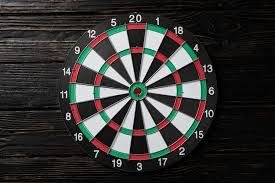
A good quality dartboard is essential for focused practice. Browse our Dartboards category for boards suitable for technique development.Darts Tip
Film yourself throwing from the side occasionally. Watching the video will quickly reveal any inconsistencies in your stance, grip, or follow-through.Disclaimer
The information in this buyer’s guide is for educational and informational purposes only. It is not intended to replace professional coaching or instruction. Darts involves sharp objects and carries a risk of injury. Always supervise children and consult with a qualified darts coach for personalized technique advice. Individual results may vary. Listen to your body and stop if you feel pain.Ready to Improve Your Throw?
Browse our Dartboards category today for quality dartboards perfect for practicing your technique. We focus on linking you to the best current deals from trusted retailers so you can develop a smooth, consistent throw.
- Stance
Stand sideways to the dartboard with your dominant foot forward. Your feet should be shoulder-width apart for stability.- Right-handers: Left foot slightly behind, right foot pointing toward the board.
- Keep your body still and weight slightly forward.
- Avoid leaning too far forward or swaying during the throw.
- Grip
Hold the dart lightly but securely between your thumb and 2–3 fingers. The grip should feel natural — not too tight (which causes tension) and not too loose (which causes the dart to wobble).
Most beginners start with a 3-finger grip near the front or middle of the barrel. - Aim and Alignment
Keep your head still and align your dominant eye with the target. Focus on a specific spot (e.g., the wire or a tiny area inside the segment) rather than the whole number.
Your throwing arm should move in a straight line toward the target. - Arm Motion and Release
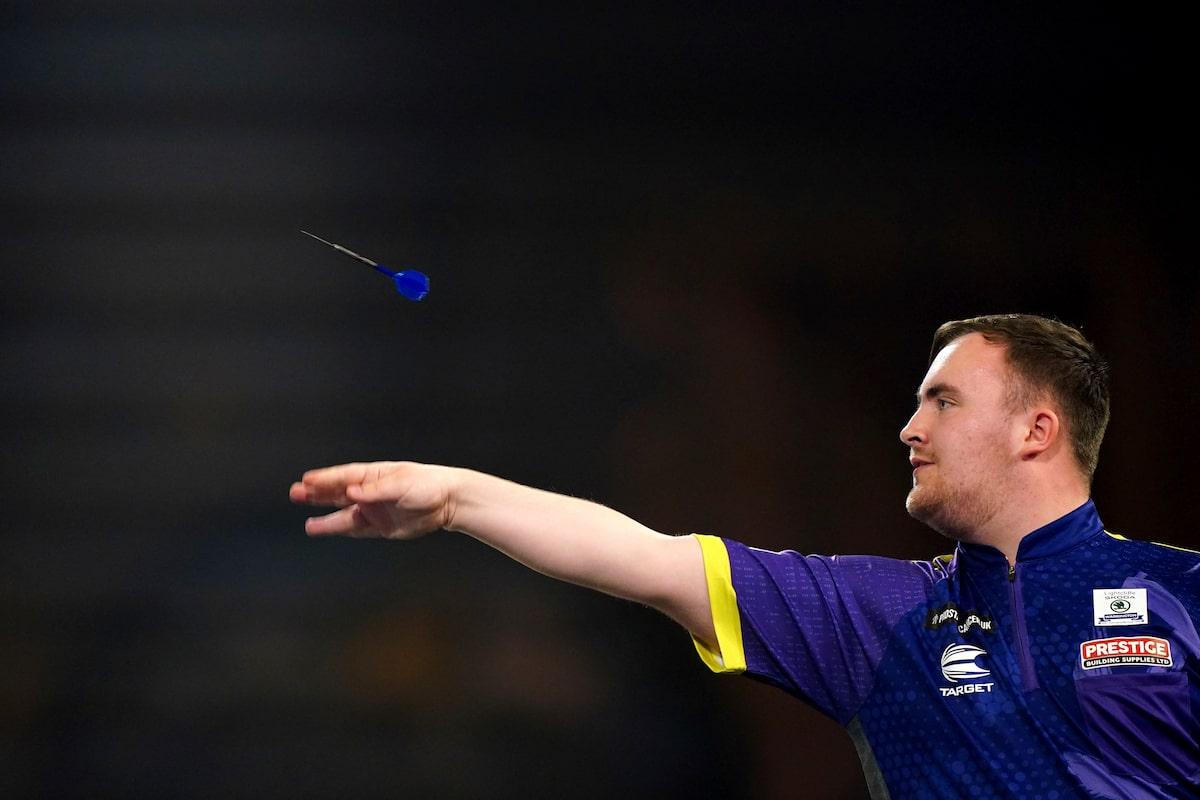
- Bring the dart back smoothly in a pendulum motion.
- Accelerate forward and release the dart at the peak of the motion with a clean “flick” of the wrist and fingers.
- Follow through: Your hand should continue moving toward the target after release.
- Gripping the dart too tightly
- Moving your head or upper body during the throw
- Rushing the motion instead of keeping a smooth rhythm
- Stopping your hand too early (poor follow-through)
- Inconsistent stance or foot position between throws
- Shadow Throwing — Practice your motion without a dart to focus on rhythm and balance.
- One-Dart Drill — Throw one dart at a time, reset your stance fully, and repeat. This builds consistency.
- Slow-Motion Practice — Throw very slowly to feel every part of the motion and spot tension.
- Grouping Drill — Aim for the same small area with all three darts and track how tight your group is.
A good quality dartboard is essential for focused practice. Browse our Dartboards category for boards suitable for technique development.Darts Tip
Film yourself throwing from the side occasionally. Watching the video will quickly reveal any inconsistencies in your stance, grip, or follow-through.Disclaimer
The information in this buyer’s guide is for educational and informational purposes only. It is not intended to replace professional coaching or instruction. Darts involves sharp objects and carries a risk of injury. Always supervise children and consult with a qualified darts coach for personalized technique advice. Individual results may vary. Listen to your body and stop if you feel pain.Ready to Improve Your Throw?
Browse our Dartboards category today for quality dartboards perfect for practicing your technique. We focus on linking you to the best current deals from trusted retailers so you can develop a smooth, consistent throw.