

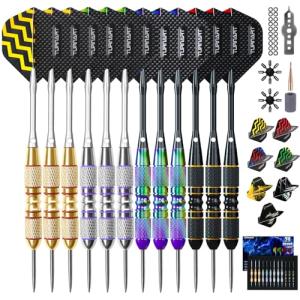
How to Improve Your Darts Accuracy and ConsistencyImproving your darts accuracy and consistency is one of the most rewarding parts of the game. Small, focused improvements in technique can lead to tighter groupings, higher scores, and greater confidence on the oche.In this complete buyer’s guide, we break down the key elements that affect accuracy, provide step-by-step technique tips, highlight common mistakes, and share practical drills to help you become a more consistent darter.Why Accuracy and Consistency Matter
Darts is a game of precision. Even small inconsistencies in your throw can cause darts to land in the wrong segment or bounce out. Developing good habits early helps you:
You can find quality dartboards suitable for focused practice by browsing our Dartboards category.Darts Tip for Steady Improvement
Practice with purpose. Instead of just throwing randomly, set specific goals for each session (e.g., “hit 20 singles 10 times in a row”). Consistent, focused practice beats long, unfocused sessions every time.Disclaimer
The information in this buyer’s guide is for educational and informational purposes only. It is not intended to replace professional coaching or instruction. Darts involves sharp objects and carries a risk of injury. Always supervise children and consult with a qualified darts coach for personalized technique advice. Individual results may vary. Listen to your body and stop if you feel pain.Ready to Improve Your Darts Accuracy?
Browse our Dartboards category today for quality boards perfect for practice and skill development. We focus on linking you to the best current deals from trusted retailers so you can train effectively and see real improvement in your game.
Darts is a game of precision. Even small inconsistencies in your throw can cause darts to land in the wrong segment or bounce out. Developing good habits early helps you:
- Hit your targets more reliably
- Reduce frustration and wasted practice time
- Build confidence for league or competitive play
- Make steady progress instead of random ups and downs
- Stance
Stand with your dominant foot forward, shoulder-width apart. Your body should be stable but relaxed. Most players position their back foot at a slight angle for better balance. Keep your weight slightly forward and avoid swaying. - Grip
Hold the dart lightly but firmly — not too tight. Experiment with 2, 3, or 4 fingers on the barrel. The grip should feel natural and allow a smooth release. Avoid gripping too far back or too close to the tip. - Aim and Alignment
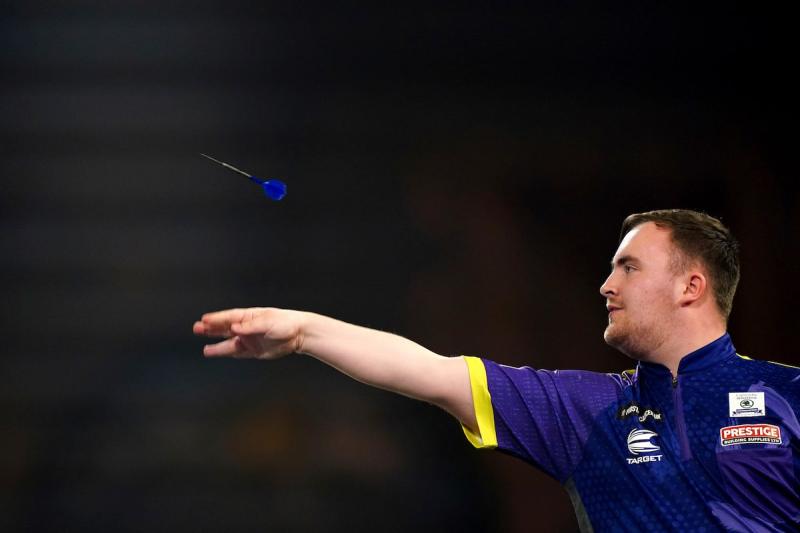
Align your dominant eye with the target. Keep your head still and eyes focused on the exact spot you want to hit. Many players aim at the wire or a specific segment rather than the whole number. - Arm Motion and Release
Use a smooth, pendulum-like backswing. Keep your elbow relatively fixed and let your forearm do most of the work. Release the dart at the peak of the forward motion with a clean follow-through — your hand should continue toward the target after release.
- Gripping the dart too tightly (causes tension and jerky release)
- Moving your head or body during the throw
- Rushing the throw instead of maintaining rhythm
- Inconsistent stance or foot position
- Poor follow-through (stopping your hand too early)
- Close-Range Grouping Drill
Stand closer to the board (5–6 feet) and focus on throwing three darts as close together as possible. Gradually move back as your grouping improves. - Single Segment Targeting
Pick one number (e.g., 20) and try to hit it with all three darts. Track your success rate over time. - Slow-Motion Throws
Practice your throw in slow motion to feel every part of the motion. This helps identify where tension or inconsistency occurs. - One-Dart-at-a-Time Practice
Throw one dart, reset your stance, and repeat. This builds muscle memory without fatigue.
You can find quality dartboards suitable for focused practice by browsing our Dartboards category.Darts Tip for Steady Improvement
Practice with purpose. Instead of just throwing randomly, set specific goals for each session (e.g., “hit 20 singles 10 times in a row”). Consistent, focused practice beats long, unfocused sessions every time.Disclaimer
The information in this buyer’s guide is for educational and informational purposes only. It is not intended to replace professional coaching or instruction. Darts involves sharp objects and carries a risk of injury. Always supervise children and consult with a qualified darts coach for personalized technique advice. Individual results may vary. Listen to your body and stop if you feel pain.Ready to Improve Your Darts Accuracy?
Browse our Dartboards category today for quality boards perfect for practice and skill development. We focus on linking you to the best current deals from trusted retailers so you can train effectively and see real improvement in your game.